Welcome
This is where I write about how to build and run a business. Hiring, pricing, operations, systems, sales process, and leverage. The things that actually move a business forward when they’re done right.
I co-founded Window Tint LA in 2014, grew to $3M a year, and was acquired by American Window Film in 2018.
From there, I co-founded Tint Wiz, a CRM for window tint and PPF businesses, built from the internal system we used to run Window Tint LA. We launched in 2020, became the industry leader, and was acquired by Fullsteam in 2025.
Everything I write comes from experience building and operating real businesses, along with helping other business owners improve their systems, sales process, and day-to-day operations. What worked, what didn’t, and how to think through the next move when you’re in it.
If you’re trying to grow a service business, improve your sales process, fix your operations, or make better decisions as an owner, this is for you.
I also work directly with business owners who want clear thinking on growth, operations, and execution.
Tint Wiz Was Acquired. Here’s the Full Story.
Watch the conversation below about how Tint Wiz started, why this partner made sense, and what’s next.

The Five-Star Loop: A Simple System for Scaling a Flat Glass Window Tint Business
A flat glass window tint business becomes scalable when it can consistently turn a lead into a consultation, sale, completed installation, and five-star review without the owner personally rescuing every step.

Should You Scale Up, Hold, or Scale Down Your Window Tint Business?
Most window tint business owners talk about scaling up. But the smartest move may be to grow, strengthen what already exists, or deliberately build a smaller, better-fitting company.
Scaling a Window Tint Business Does Not Just Mean Growing It
More jobs, employees, and revenue can make a window tint business bigger without making it scalable. Real scale means every part of the company can support the growth.

Google Just Put AI Inside Your Business Profile. Window Tint Shops Should Pay Attention.
Google is building AI directly into the tools customers already use to find, compare, and choose local businesses. For window tint shops, this is not about letting AI write generic posts. It is about using AI to clean up your Google Business Profile, understand your reviews, improve your content, and make your shop easier to trust. And no, you are not getting penalized just because you used AI.

Your Google Business Profile Is Content, Not Just a Listing
Most tint shops think of Instagram, TikTok, and YouTube as content, but treat Google like a static listing. That is a mistake. Your Google Business Profile is one of the most important content channels your shop has because customers are already comparing you there.

The Number a Window Tint Shop Owner Should Know Every Day
A window tint shop owner does not need to stare at a P&L all day, but they should know the daily number: what is booked, what came in, what payroll costs, and whether the week is on track.

Google AI Mode Is About to Test Your Service Business
Google AI Mode and AI agents are changing how customers find, compare, and contact service businesses. But the real opportunity is not just buying another AI tool. It is making your offer, website, CRM, follow-up, and sales process clear enough to be found, trusted, and chosen.

How to Get the Most Out of WFCT 2026 as a Window Tint Business Owner
Industry events are most valuable if they change how you run the business when you get home. Here’s how I’m thinking about WFCT 2026 in San Antonio.

What Deserves Your Focus Right Now?
Every successful shop owner is being pulled in a hundred different directions. At Tinter Battles, we're asking a simple question: what deserves your focus right now?
How to Stop Guessing and Find Your Best Lead Sources
Your marketing should not feel like roulette. The businesses that grow are usually not doing more. They are getting better at the few lead sources that consistently bring the right customers.

Why “I’ll Send It Later” Is Costing You Sales (Service Business Lesson)
Most companies were saying, “I’ll send it later.”
That’s where they lost the job.

How to Scale a Service Business by Solving Your Biggest Problems First
Learn how to scale a service business by fixing scheduling, improving CRM systems, and increasing speed to lead and quoting.

Should I Sell My Service Business? Why I Chose YES
Should you sell your service business or keep scaling it? This explains why I sold mine to focus on software and what service business owners should consider before making that decision.

How I Built a Window Tint Business, Sold It, and Turned It Into a CRM
How I built a window tint business, scaled it to $3M, sold it, and created a CRM (Tint Wiz) from the system we used to run it.
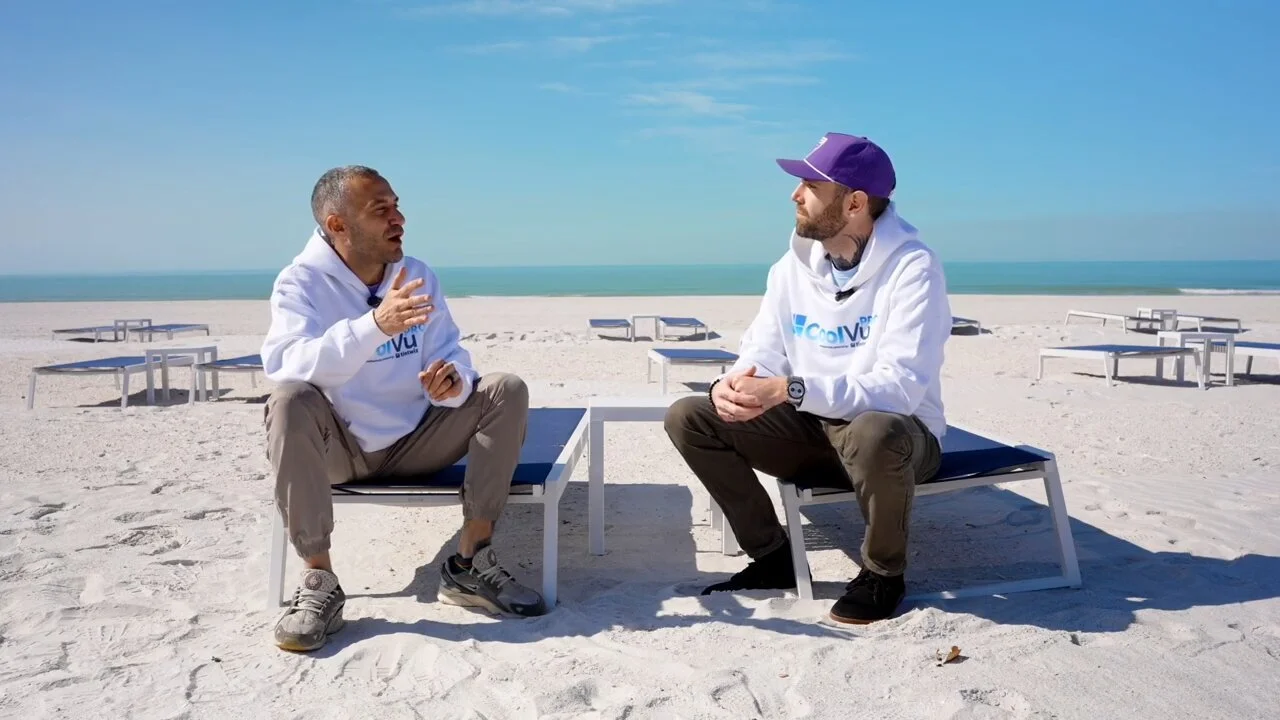
How to Run a Profitable Service Business in a Small Market
Many service businesses in small markets believe they need to offer more services just to survive. In this clip I explain why reducing overhead and simplifying your business can often be the smarter strategy.

Three Simple Rules for Starting a Service Business
Starting a service business doesn’t have to be complicated. In this article, I break down three simple rules that make a new service business far more likely to succeed: keep the business simple, treat customers correctly, and focus on the shortest path to the income you actually need.

Feel Uncomfortable Asking for a Raise? Start With Clear Communication
Feel uncomfortable asking for a raise even though you want more? Here’s how clear communication and understanding your options can help you move up without resentment or guessing.

How to Get Promoted at Work by Taking Ownership
Doing your job well is not enough to get promoted. Here’s how taking ownership and solving problems builds leverage and puts you in position for more pay and responsibility.
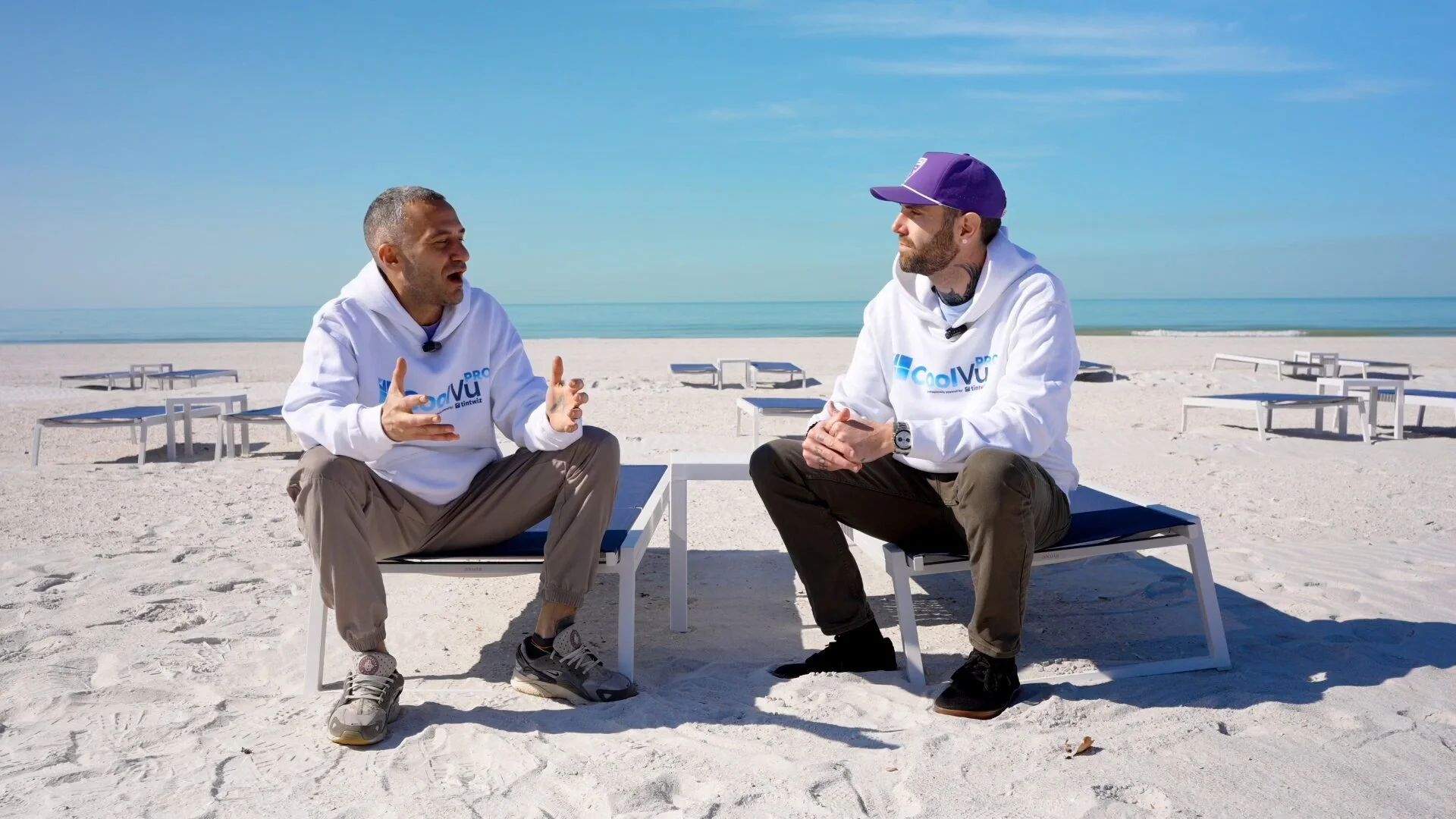
Don’t Know If You Should Hire Yet? Start Smaller Than You Think
Not sure if you’re ready to hire full-time? Here’s how starting with part-time help can create space in your small business without taking on big risk.

Hire Before You Need To: How Hiring Ahead of Growth Scales a Small Business
Most small business owners wait too long to hire. Here’s why hiring before you “need” to can change your growth trajectory.